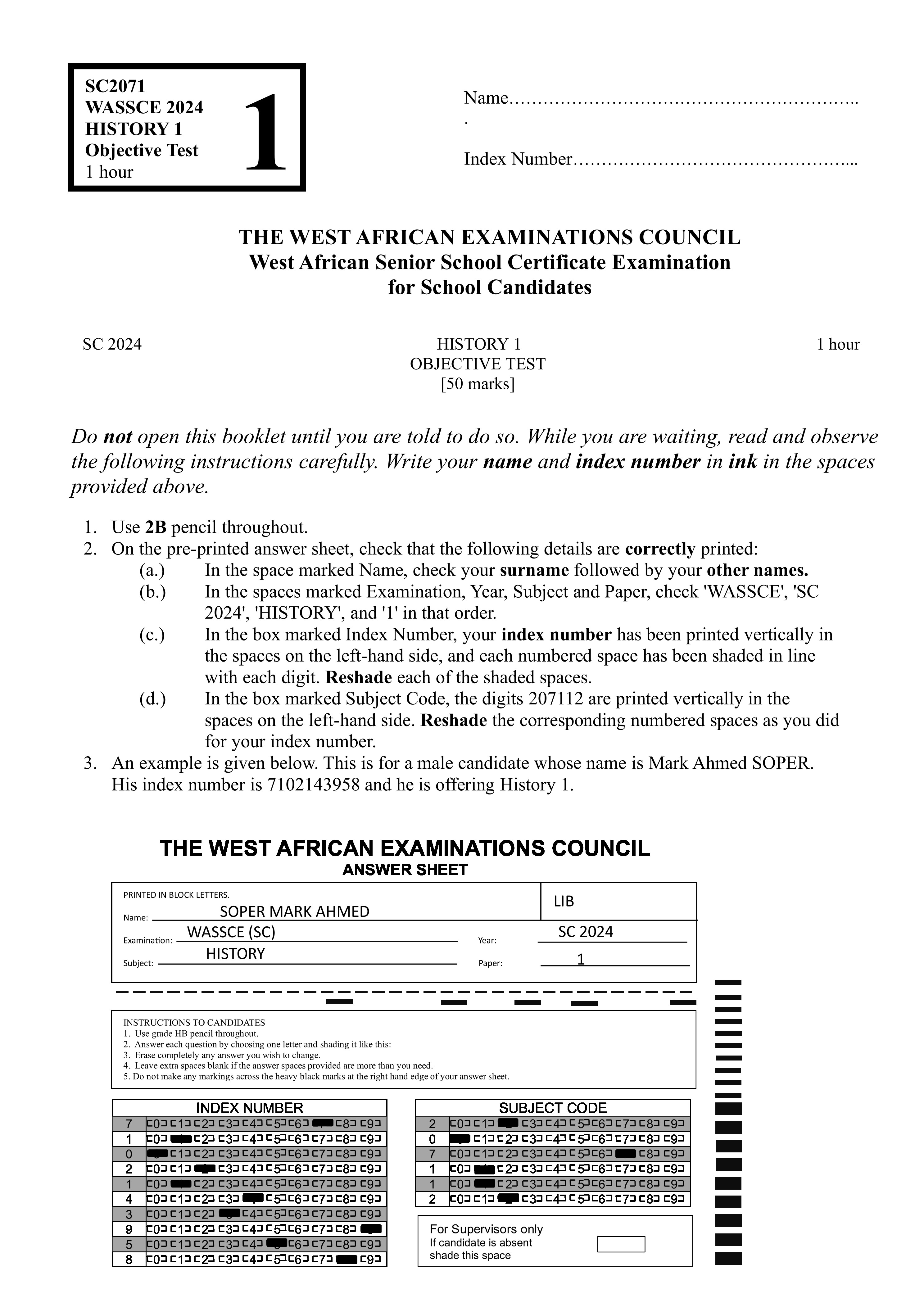
Answer all the questions
Each question is followed by four options lettered A to D. Find the correct option for each question and shade in pencil on your answer sheet, the answer space which bears the same letter as the option you have chosen. Give only one answer to each question. An example is given below.
Knowledge of the use of iron enabled the early man in West Africa to
A. learn the practice of agriculture.
B. control his environment more effectively.
C. acquire the knowledge of warfare.
D. develop a religious culture.
The correct answer is control his environment more effectively, which is lettered B, and therefore answer space B would be shaded.
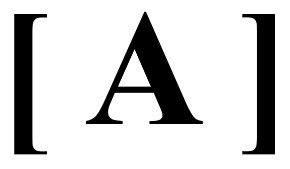

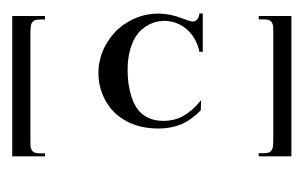
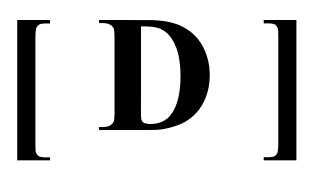
Think carefully before you shade the answer space; erase completely any answer(s) you wish to change.
Now answer the following questions:
Explanation:
The correct answer is:
C. Linguistics
Topic: Sources of History
Linguistics is the study of languages. It helps to classify people into different ethnic groups based on the languages they speak, including their language families and dialects.
Here's why the other answers are wrong:
Explanation:
The correct answer is:
B. Subjectivity
Topic: Interpretation of History
Bias often causes subjectivity in historical writing, where personal opinions or perspectives influence how facts are understood and presented.
Here's why the other answers are wrong:
Explanation:
The correct answer is:
D. Written records
Topic: Sources of History
Court records are written documents that show legal decisions. They are classified as written records.
Here's why the other answers are wrong:
Explanation:
The correct answer is:
C. Comes into contact with the narrator
Topic: Oral Tradition
Oral tradition allows the researcher to talk directly to the person telling the story, so they can learn more about history from the source itself.
Here's why the other answers are wrong:
Explanation:
The correct answer is:
A. Involvement of some Europeans as middlemen
Topic: Trans-Saharan Trade
Europeans were not a major part of the early trans-Saharan trade. The trade mainly grew because of camels, Berber financiers, and Islamic merchants.
Here's why the other answers are wrong:
Explanation:
The correct answer is:
C. Forest Region
Topic: Trans-Saharan Trade
Kolanuts and slaves mainly came from the Forest Region in West Africa. This area was rich in these resources, and they were important for trade with North Africa.
Here's why the other answers are wrong:
Explanation:
The correct answer is:
A. Taghaza
Topic: Trans-Saharan Trade
Taghaza was famous for its salt mines. Salt was very important for preserving food and was traded across the Sahara Desert, making it a key part of the economy.
Here's why the other answers are wrong:
Explanation:
The correct answer is:
B. Gold
Topic: Trans-Saharan Trade
Gold was one of the main items traded from West Africa. It was very valuable and was traded across the Sahara, helping West African kingdoms like Ghana and Mali grow wealthy.
Here's why the other answers are wrong:
Explanation:
The correct answer is:
C. Improvement in agricultural productivity
Topic: Trans-Saharan Trade
The trans-Saharan trade helped with the growth of cities and the availability of many goods like gold and salt. However, it did not directly make farming better or increase food production.
Here's why the other answers are wrong:
Explanation:
The correct answer is:
C. Timbuktu
Topic: Trans-Saharan Trade
Timbuktu was a very important city for both trade and learning. It was known for its famous Islamic schools and libraries, where many scholars came to study.
Here's why the other answers are wrong:
Explanation:
The correct answer is:
B. Islam encouraged education
Topic: Islam and Education
Islam helped spread education in West Africa. Many schools were set up, and learning Arabic became common among the wealthy. The education taught both religious subjects and other knowledge like science and law.
Here's why the other answers are wrong:
Explanation:
The correct answer is:
C. Creation of numerous Islamic education centres
Topic: Political Effects of Islam
The creation of Islamic education centers was a cultural change, not a political one. While Islam did affect politics by helping to build relationships with Muslim rulers, employing Muslim scholars as leaders, and uniting different people in large states, education was not directly a political effect.
Here's why the other answers are wrong:
Explanation:
The correct answer is:
A. Political administration
Topic: Islam and Governance
Islam introduced a system of political administration based on Sharia law, which shaped the governance structures in many West African empires. This included the use of Muslim officials and judges to help govern.
Here's why the other answers are wrong:
Explanation:
The correct answer is:
B. Levying taxes on Islamic scholars
Topic: Promotion of Islam
The rulers of Western Sudan supported the spread of Islam in various ways, such as appointing Muslim officials, allowing conversions, and going on pilgrimages to Mecca. However, taxing Islamic scholars would have gone against the encouragement of Islam, as it would hinder their work and influence.
Here's why the other answers are wrong:
Explanation:
The correct answer is:
C. Low technological advancement in their country
Topic: Portuguese Exploration
The Portuguese had good technology, especially in shipbuilding, which helped them explore West Africa. They also had peace in their country and the support of Prince Henry. But if they had low technology, they wouldn’t have been able to lead in exploration.
Here's why the other answers are wrong:
Explanation:
The correct answer is:
D. Gold
Topic: European Trade in West Africa
Before 1600, European traders were most interested in gold from West Africa. Gold was valuable and in high demand in Europe.
Here's why the other answers are wrong:
Explanation:
The correct answer is:
B. Feed the European traders and sailors
Topic: European Influence in West Africa
Europeans encouraged growing cash crops in West Africa to provide food for their traders and sailors who came to the region.
Here's why the other answers are wrong:
Explanation:
The correct answer is:
B. Expansion of the indigenous industries
Topic: European Impact on West Africa
When Europeans came into contact with West Africa, it did not help local industries grow. Instead, it led to the introduction of the slave trade, European culture, and Christianity, which were major influences on the region.
Here's why the other answers are wrong:
Explanation:
The correct answer is:
A. Warehouses
Topic: European Forts in West Africa
The main purpose of the trading forts was to act as warehouses. They stored goods and provided a place for trade between Europeans and Africans.
Here's why the other answers are wrong:
Explanation:
The correct answer is:
C. The trade was economically viable
Topic: The Trans-Atlantic Slave Trade
The slave trade made a lot of money for European traders, which is why it was hard to stop even though many people thought it was wrong.
Here's why the other answers are wrong:
Explanation:
The correct answer is:
A. Portuguese
Topic: The Trans-Atlantic Slave Trade
The Portuguese were the first Europeans to start the trans-Atlantic slave trade in the 15th century.
Here's why the other answers are wrong:
Explanation:
The correct answer is:
D. Britain
Topic: Abolition of the Slave Trade
In 1807, Britain passed a law called the Abolition Act, which made the slave trade illegal in the British Empire.
Here's why the other answers are wrong:
Explanation:
The correct answer is:
B. Sierra Leone and Liberia
Topic: Colonization of Freed Slaves
Sierra Leone and Liberia were both created as places for freed slaves to live. Sierra Leone was founded by the British, and Liberia was set up by the American Colonization Society.
Here's why the other answers are wrong:
Explanation:
The correct answer is:
D. Enforcement of the Equipment Treaty
Topic: Reasons the Slave Trade Continued
The Equipment Treaty did not help the slave trade. The slave trade continued because there was a lot of money to be made, people needed slaves to work, and sometimes slaves were used as punishment.
Here’s why the other answers are wrong:
Explanation:
The correct answer is:
C. Supporting colonialism
Topic: Missionaries and Colonialism
Missionaries helped the European countries take control of Africa. They supported European rule and made it look like it was good for Africa. They built schools and churches that helped keep Europeans in power.
Here’s why the other answers are wrong:
Explanation:
The correct answer is:
A. Legitimate trade
Topic: Missionary Activities in West Africa
Legitimate trade did not stop missionaries from doing their work. The things that made it hard for them were the people being unfriendly, problems with language, and the strong belief in traditional religions.
Here’s why the other answers are wrong:
Explanation:
The correct answer is:
B. Slave trade and slavery
Topic: Missionaries and the Slave Trade
Christian missionaries in West Africa wanted to stop the slave trade and slavery. They hoped that spreading Christianity would help end these practices and improve society.
Here's why the other answers are wrong:
Explanation:
The correct answer is:
D. Facilitated the spread of their religion
Topic: Role of Education in Missionary Work
Missionaries used education to help teach people about Christianity. It made it easier for them to understand and spread the religion.
Here's why the other answers are wrong:
Explanation:
The correct answer is:
C. Renounce the traditional religions
Topic: Resistance to Christianity
Many West Africans didn't like Christianity because people who became Christian were told to stop believing in their old religions. This made them angry and resistant to the new religion.
Here's why the other answers are wrong:
Explanation:
The correct answer is:
D. Emergence of strong traditional rulers
Topic: Partition of West Africa
The partition of West Africa happened because European countries wanted to find places to sell their goods, get raw materials, and invest their extra money. Strong local rulers did not cause the partition.
Here's why the other answers are wrong:
Explanation:
The correct answer is:
C. The superior weapons used against them
Topic: European Colonization of Africa
European countries were able to take control of African lands mainly because they had much stronger weapons, like guns, which made it easier for them to defeat local armies.
Here's why the other answers are wrong:
Explanation:
The correct answer is:
B. Vastness of the land
Topic: Factors Influencing European Colonization
European countries didn’t choose land just because it was big. They cared more about things like whether the area was unstable, if they could make money, or if they could look important to others.
Here's why the other answers are wrong:
Explanation:
The correct answer is:
B. Establishment of industries in West Africa
Topic: Berlin Conference of 1884-85
The Berlin Conference was called to solve problems between European countries fighting over land in Africa. It was not about setting up industries in West Africa.
Here's why the other answers are wrong:
Explanation:
The correct answer is:
D. Spain
Topic: Partition of West Africa
Spain was not as involved in taking over West African land as Britain, France, and Portugal. These countries were the main powers in the colonization of West Africa.
Here's why the other answers are wrong:
Explanation:
The correct answer is:
C. The division of some ethnic groups by boundaries
Topic: Negative Effects of the Partition of Africa
When the European powers divided Africa, they split up many ethnic groups. Some people who had lived together for a long time were put into different colonial boundaries, which caused problems for their communities.
Here's why the other answers are wrong:
Explanation:
The correct answer is:
C. Association
Topic: Colonial Policies in West Africa
The "Association" policy allowed traditional African systems and leaders to continue to exist alongside the colonial government. It did not try to replace them, but worked with them.
Here's why the other answers are wrong:
Explanation:
The correct answer is:
A. Obtain raw materials for industries in Europe
Topic: Objectives of Colonial Economies
The main aim of the colonial economies was to take natural resources, like minerals and crops, from West Africa and send them to Europe to support European industries. It was not about helping West Africans to become independent or creating jobs for them.
Here's why the other answers are wrong:
Explanation:
The correct answer is:
C. Those areas did not have traditional administrative systems
Topic: Warrant Chiefs in West Africa
Warrant chiefs were chosen in areas where there were no strong local leaders or systems of government. The British set them up to help control and manage those regions.
Here's why the other answers are wrong:
Explanation:
The correct answer is:
D. One party system
Topic: Post-Independence Political Systems in West Africa
After independence, many leaders in West Africa, set up one-party systems. This meant only one political party was allowed, so there was no real competition or opposition.
Here's why the other answers are wrong:
Explanation:
The correct answer is:
B. Advent of the Industrial Revolution
Topic: Economic Changes in West Africa
The rise in exports from West Africa was mainly because of the Industrial Revolution. European industries needed raw materials like palm oil, cocoa, and minerals, which were available in West Africa. This created a large market for these goods.
Here's why the other answers are wrong:
Explanation:
The correct answer is:
C. Control natural resources
Topic: Boundary Disputes in West Africa
Boundary disputes in West Africa often happened because countries wanted to control important resources like oil, minerals, and fertile land.
Here's why the other answers are wrong:
Explanation:
The correct answer is:
A. Protection of human rights
Topic: Military Rule in West Africa
Military regimes in West Africa were known for violating human rights, controlling the press, and suspending constitutions. Protecting human rights was not a feature of these regimes.
Here's why the other answers are wrong:
Explanation:
The correct answer is:
C. Conflicts among West African states
Topic: Development Challenges in West Africa
Conflicts, both within and between West African countries, have made it difficult for the region to develop equally. Wars and political instability have slowed progress in many areas.
Here's why the other answers are wrong:
Explanation:
The correct answer is:
D. Inadequate energy supply
Topic: Problems of Independent West African States
Energy supply was a problem in some countries, but the main challenges after independence were corruption, bad governance, and providing welfare services like education and healthcare.
Here's why the other answers are wrong:
Explanation:
The correct answer is:
C. Bad governance
Topic: Reasons for Underdevelopment in West Africa
The main reason for underdevelopment was bad governance. Poor leaders, corruption, and mismanagement of money and resources made it hard for the countries to grow.
Here's why the other answers are wrong:
Explanation:
The correct answer is:
C. Support for dictatorship
Topic: Foreign Influence in West Africa
Foreign governments often controlled West African leaders by supporting dictatorships that suited their interests, especially during the Cold War.
Here's why the other answers are wrong:
Explanation:
The correct answer is:
C. Gabon
Topic: ECOWAS Membership
Gabon is not part of ECOWAS because it is in Central Africa, not West Africa. The other countries listed are part of the West African region and are members of ECOWAS.
Here's why the other answers are wrong:
Explanation:
The correct answer is:
D. Prevent the outbreak of another world war
Topic: Formation of the United Nations
The main purpose of the United Nations, formed after World War II, was to stop another major war from happening and to promote peace around the world.
Here's why the other answers are wrong:
Explanation:
The correct answer is:
B
Topic: Challenges of the OAU
The OAU (now the AU) was able to establish its headquarters in Addis Ababa, Ethiopia. The real challenges included issues like loyalty to former colonial masters, lack of unity between member states, and not having enough money to fund all its projects.
Here's why the other answers are wrong:
Explanation:
The correct answer is:
B
Topic: ECOWAS Interventions
ECOWAS used military action, and helping people come together to restore peace. However, providing jobs (employment) was not something they used to fix political problems.
Here’s why the other answers are wrong:
Our Mission: To provide free, accessible, and comprehensive exam preparation resources for West African students preparing for their WASSCE and LJHSCE examinations.
StudyWASSCE was created in 2023 by an independent content creator who recognized a critical gap in accessible educational resources for West African students. After witnessing countless students struggle to find quality past examination papers and affordable study materials, I dedicated myself to building a comprehensive, completely free platform that would level the playing field for all students, regardless of their economic background.
As an independent educational content creator, I have invested countless hours researching, compiling, and organizing past examination papers from official sources. My commitment stems from a deep belief that every student deserves access to quality educational resources, regardless of their financial circumstances.
Unlike general educational platforms, StudyWASSCE specializes exclusively in:
StudyWASSCE operates on a sustainable model that keeps education free while ensuring quality:
Since launching, StudyWASSCE has:
As an independent creator, I am committed to:
We welcome partnerships with:
As the independent creator behind StudyWASSCE, I personally respond to:
Response Commitment: I personally review and respond to all messages within 48-72 hours.
Education transformed my life, and I believe it can transform the lives of every student who has access to quality resources. StudyWASSCE represents my personal commitment to ensuring that no student is left behind due to lack of access to study materials. Every hour I spend improving this platform is an investment in the future of West African education.
Thank You for Your Support! By using StudyWASSCE and viewing our advertisements, you help sustain this free educational resource. Your success is our success, and every student who passes their examinations using our materials validates our mission.
StudyWASSCE: Created by an independent educator, for students everywhere.
Empowering West African students through free, accessible education.
StudyWASSCE is an independent educational platform created to provide free access to past exam papers and study materials for WASSCE and LJHSCE examinations. We are committed to helping students succeed while maintaining transparency about our data practices.
To improve our service and comply with advertising requirements, we collect the following information:
We use collected information to:
Our site is supported by advertising to keep educational content free. We work with the following third-party services:
We do not sell or rent personal information. We may share data with:
Required for Site Access: By using StudyWASSCE, you consent to our data collection practices as described in this policy. This includes:
Your Options:
Note: Continued use of our platform indicates your ongoing consent to these practices.
We implement appropriate technical and organizational security measures to protect the information we collect. However, no internet transmission is completely secure, and we cannot guarantee absolute security.
Our site is designed for students of all ages. We do not knowingly collect personal information from children under 13 without parental consent. If you believe we have collected such information, please contact us immediately.
Our site is hosted and operated from servers that may be located in different countries. By using our site, you consent to the transfer of your information to these locations.
We may update this privacy policy periodically to reflect changes in our practices or legal requirements. We will post any changes on this page with an updated revision date. Continued use of our site after changes constitutes acceptance of the updated policy.
If you have any questions about this privacy policy or our data practices, please contact us via WhatsApp at +231-770450825, by email at davidlamine96@gmail.com, or through our Facebook page @Study For WASSCE.
Last Updated: January 15, 2025
Important Notice: By using StudyWASSCE, you agree to these Terms of Service and our Privacy Policy. This site uses cookies and displays advertisements to provide free educational content.
StudyWASSCE is an independent educational platform created and maintained by a dedicated content creator who has worked extensively to compile and organize past examination papers for WASSCE (West African Senior School Certificate Examination) and LJHSCE (Liberian Junior High School Certificate Examination). Our mission is to provide free access to quality educational resources for students preparing for these national examinations.
All examination papers, questions, and educational materials on this platform have been carefully curated from publicly available past examination papers. We provide:
By accessing, browsing, or using StudyWASSCE in any way, you acknowledge that you have read, understood, and agree to be bound by these Terms of Service and our Privacy Policy. If you do not agree to these terms, please discontinue use of our platform immediately.
StudyWASSCE provides completely free access to all educational content. You are not required to:
To maintain this free service, StudyWASSCE is supported by:
Required for Free Access: Advertisements are essential to maintaining our free educational service. By using StudyWASSCE, you consent to the display of advertisements throughout the platform.
Our advertising practices comply with Google AdSense policies:
Essential for Site Operation: StudyWASSCE uses cookies for:
By using our site, you consent to our use of cookies as described in our Privacy Policy.
StudyWASSCE grants you a limited, non-exclusive, non-transferable license to access and use our content for personal educational purposes only. You may:
You may NOT:
While individual examination questions may be public domain, our compilation, organization, explanations, and presentation represent original work protected by intellectual property rights.
We use Google Analytics to collect anonymous usage data to improve our educational content and user experience. This includes:
We use this data to:
Users must:
StudyWASSCE is designed for students of all ages. Users under 13 should have parental consent before using our platform, particularly regarding cookie acceptance and data collection.
While we strive for accuracy in all educational content:
Important: StudyWASSCE is a study supplement and should not replace formal education, textbooks, or qualified instruction. Users should use our resources alongside official study materials and classroom learning.
We strive to maintain consistent platform availability, but cannot guarantee:
We reserve the right to:
We are committed to protecting user privacy while providing free educational services. Our data collection practices are detailed in our Privacy Policy and comply with:
Our platform integrates with reputable third-party services that have their own privacy policies:
StudyWASSCE is provided "as is" for educational purposes. We disclaim liability for:
In no event shall StudyWASSCE be liable for any indirect, incidental, special, or consequential damages arising from platform use, even if advised of the possibility of such damages.
Our advertising practices comply with:
We respect intellectual property rights and maintain compliance with copyright laws regarding educational fair use of examination materials.
We regularly update our platform with:
We reserve the right to modify these Terms of Service to:
Updated terms will be posted on this page with revision dates. Continued use after changes constitutes acceptance of updated terms.
These Terms of Service shall be governed by and construed in accordance with the laws of the Republic of Liberia. Any disputes arising from these terms or platform use shall be subject to the jurisdiction of Liberian courts.
If any provision of these Terms of Service is found to be unenforceable or invalid, that provision shall be limited or eliminated to the minimum extent necessary so that the remaining terms remain in full force and effect.
These Terms of Service, together with our Privacy Policy, constitute the entire agreement between you and StudyWASSCE regarding platform use and supersede all prior agreements or understandings.
For questions about these Terms of Service, content issues, or platform feedback, please contact us through:
For Urgent Issues: Technical problems affecting site access, inappropriate advertisements, or content errors.
For Partnership Inquiries: Educational institutions, content contributors, or collaboration opportunities.
Thank you for using StudyWASSCE! Your use of our platform helps us continue providing free educational resources to students across West Africa. We appreciate your support through advertisement viewing and ethical use of our content.
© 2025 StudyWASSCE. All rights reserved.
Supporting West African education through free access to quality study materials.